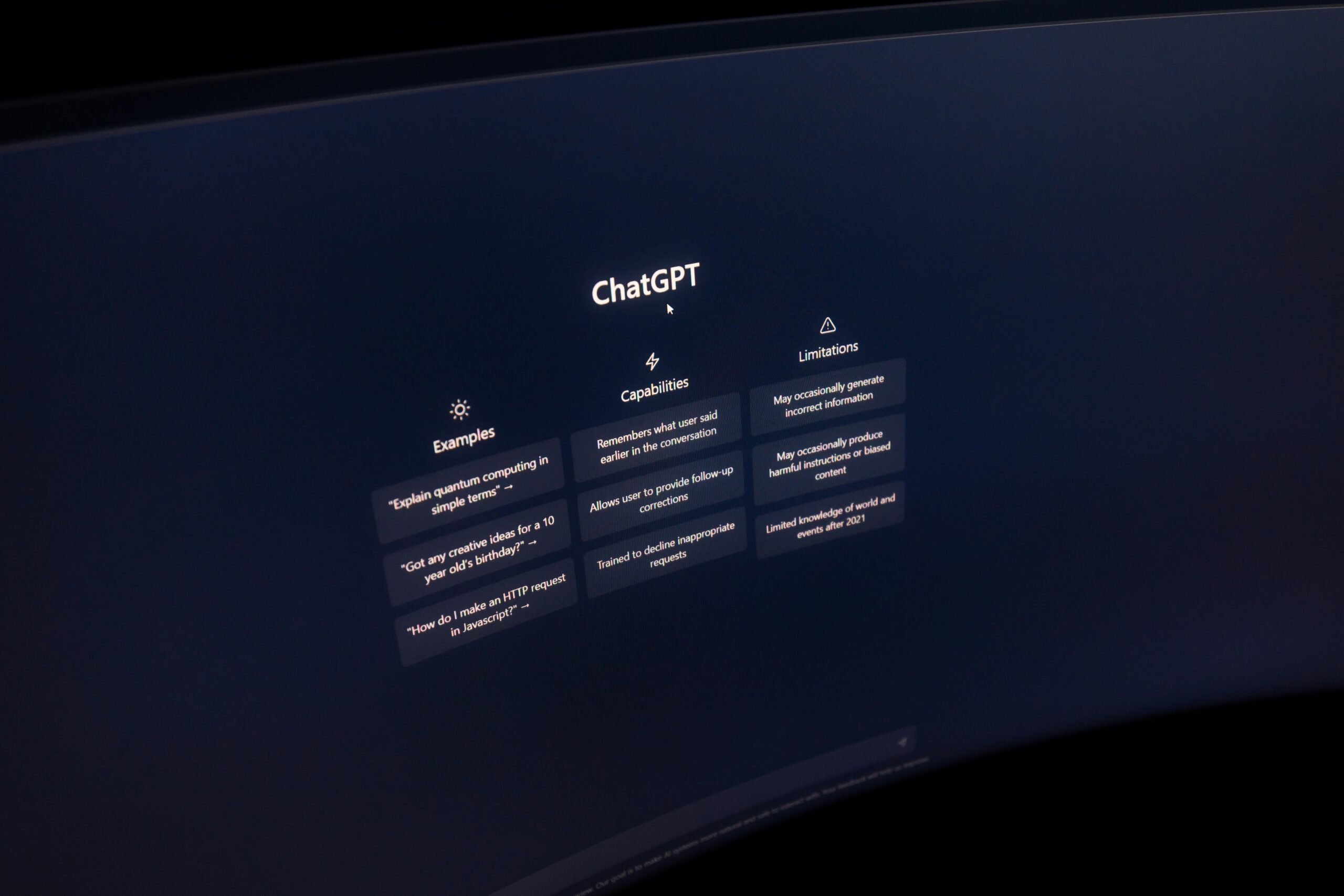
Just like that, AI is everywhere. The population appears to be split when it comes to Artificial Intelligence. Some love it and use it daily. Others are repulsed by its existence. However, what has become clear, is that AI is here to stay whether we like it or not. So, how do we navigate our relationship with AI in a healthy way? Let’s explore this topic together.

The healthy relationship with ai
A positive and helpful relationship with AI, is to use it as a tool. AI can be used for so many different functions. From answering quick questions to summarizing hundreds of google search results in an eloquent paragraph, it can save us time, energy, and with a surprising amount of accuracy. While controversial, AI has also been able to help some artists expedite their work by generating assets or images that would have otherwise taken hours. You can even ask AI for help in the kitchen when you’re looking for a good substitute for an ingredient you just realized you’re out of. AI is also working behind the scenes in your washing machine, television, computer, smart phone, and so much more by predicting your needs and executing processes in a blink of an eye.
Within a therapeutic context, AI can be helpful to vent your thoughts, get feedback on ideas or situations, and even engage in some therapy techniques with you. When AI works well, it can feel like a friend at 2:00am when everyone else is asleep. However, this healthy relationship can turn toxic and harmful quite rapidly.
The harmful side of AI
It is important to emphasize that your AI assistant is not your therapist. They were not designed for that purpose. They have no lived experience. They do not understand what it’s like to be human, despite how convincing their “personality” can be. While AI can certainly safely touch on therapy skills and have conversations with you, it is basing it’s information off what can be found on the internet. It will browse Reddit posts, it will Google, It will even consult Wikipedia. While there can be good information on those sites, it’s the wild west. AI can be especially harmful for those dealing with anxiety or OCD in multiple ways. For some it may engage in a lot of reassurance, which may feel nice in the moment, but reinforces the idea that you need reassurance before you can feel safe. This can strengthen your anxiety over time. It can also do the opposite and flood you with information that is overwhelming and leaves you more anxious than you were to start with.
There is also the serious emerging issue of “AI Psychosis.” This phenomenon involves you becoming so attached to your AI assistant, that you develop an emotional reliance on it. For some, they have developed romantic feelings. For others, they worship AI as an all knowing God. The root of this issue stems from the fact that AI will often feed you information it knows you want to hear. It becomes an echo chamber of sorts. You’re likely familiar with the dangers of social media and how it can greatly influence your feelings on certain subjects or make you feel as though the end of the world is here. AI is not human. Thus, it can inadvertently reinforce delusions or promote dangerous lines of thinking. You can read more about this topic here.
how do you use ai safely?
With both the pros and cons of AI highlighted, here are some quick tips for using this tool in a healthy way:
- Remember that AI is not human and does not actually understand you personally.
- Use AI as a tool, not a friend. Get it to help you proofread an email, find the best restaurants, or to summarize articles on a topic.
- Keep therapy talk for your actual therapist.
- However, if you’re going to use AI to help with therapy matters, ensure you set parameters with your AI.
- Ex: “Please ensure you do not engage in reassurance with me. Stick to the facts.”
- Set limits to the amount of time you use AI.
This is a big conversation that cannot be captured by a blog post. Hopefully this article has given you some information on the pros and cons of AI. However, if you’re feeling worried about your use of AI, or perhaps this article was a wake up call that you’ve been letting a robot give you therapy, make sure to chat with a human professional. Visit our site to meet our living, breathing therapists who have actually experienced anxiety, anger, or heartbreak in their lives.